Metamorphosis Therapy Center
Providing Therapy for Addiction, Trauma, and Relationships in Philadelphia

Helping you break patterns, rebuild connection, and actually feel like yourself again

I provide therapy services in Philadelphia, working with individuals and couples seeking support for addiction, trauma, and relationship challenges. Whether you’re looking for addiction therapy, trauma therapy, or relationship counseling in Philadelphia, my practice offers a focused, individualized approach to help you create lasting change.

Read more

Who is this for?

You might be in the right place if something in your life isn’t working the way you want it to. You may feel stuck in patterns you can’t break, whether that shows up through addiction, compulsive behaviors, or relationships that feel disconnected or strained. Maybe you’ve tried therapy before and gained some insight, but nothing has truly changed at a deeper level. What you’re looking for now isn’t just coping—you want something more meaningful and lasting.

Pain to Relief

From the outside, things might look fine. You may be functioning, showing up, and doing what you need to do. But internally, it can feel very different. There may be a sense of tension, disconnection, or frustration that keeps resurfacing. You might notice yourself returning to the same habits, the same reactions, or the same types of relationships, even when you genuinely want something different.

Therapy offers a space to slow that process down. Together, we begin to understand what’s underneath these patterns, how they developed, and what keeps them going. From there, change becomes possible—not by forcing it, but by working with it more intentionally.

How I Help

I work with individuals and couples navigating addiction, trauma, and relationship challenges. Our work goes beyond surface-level conversation and focuses on understanding the deeper patterns that shape how you think, feel, and relate to others. As those patterns become clearer, you begin to have more choice in how you respond to your life.

Approach

My approach is collaborative, individualized, and grounded in evidence-based practices. I integrate methods such as EMDR, cognitive therapy, mindfulness, person-centered therapy, and recovery-informed work. This allows us to not only build awareness, but also process unresolved experiences and create meaningful shifts over time.

Rather than focusing only on symptom relief, the goal is to help you develop a deeper understanding of yourself and the capacity to respond differently to what you’re facing.

Why this work matters

Change doesn’t happen from insight alone. It happens through a combination of awareness, processing, and practicing new ways of responding over time. This work is not about quick fixes or perfection, but about creating something more sustainable—greater clarity, stronger boundaries, and a deeper connection to yourself and your life.

Our Focus


EMDR

EMDR (Eye Movement Desensitization and Reprocessing) is a structured psychotherapy that uses bilateral stimulation (typically guided eye movements, taps, or sounds) while the client focuses on traumatic memories to help reprocess and integrate them. By reducing the emotional intensity of those memories and strengthening more adaptive beliefs, EMDR can rapidly decrease PTSD symptoms, anxiety, and distress related to past events.

Read more

ChemSex

Chemsex therapy is a specialized form of counseling that addresses the intersection of recreational drug use and sexual behavior—typically focusing on reducing harmful substance use, managing sexual health risks, and tackling related mental health and social issues. It combines addiction treatment, sexual-health education, harm-reduction strategies, and psychotherapy to improve safety, reduce risky behaviors, and support overall wellbeing.

Read more

Betrayl Trauma

Betrayal trauma therapy is a trauma-informed therapy approach that helps survivors process the psychological, relational, and identity wounds caused by violations of trust—such as infidelity, abuse by a trusted person, or institutional betrayal. It focuses on validating the survivor’s experience, restoring safety and attachment, addressing shame and self-blame, and developing coping skills and boundaries to rebuild trust and autonomy.

Read more

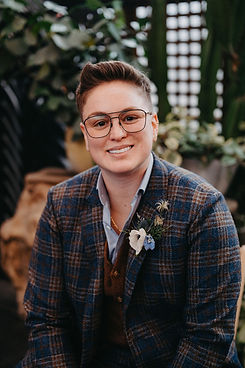
Alex Kapnek, LPC, CSAT
Founder

"I believe therapy works best when it feels collaborative, honest, and grounded. My role isn’t to “fix” you—it’s to help you better understand yourself, process what’s unresolved, and build the capacity to respond differently to your life."

Phone
484-393-1185

E-mail
[email protected]


If you're ready to begin making meaningful changes reach out

Message Sent!

Your message has been sent successfully, I hope to respond within 24 hours. You can also contact us through social media, links can be found below!

Business Hours

Come visit us

Monday

09:00 am – 05:30pm

Tuesday

09:00 am – 06:30pm

Wednesday - Thursday

09:00 am – 07:30pm

Friday

09:00 am – 03:00pm

Saturday - Sunday

Closed